Wine Education · Beginner's Guide
Cypriot Wine 101: Everything You Need to Know About Grapes, Regions and Styles
Cyprus has been making wine for over five thousand years. Here’s why that matters, what to drink, and where to start.
By CWFexpo Editorial14 min readUpdated May 2026Part of our Cypriot Wine series
In Brief}
Cypriot wine is produced on the island of Cyprus in the eastern Mediterranean, with a winemaking history spanning over 5,000 years. Key indigenous grape varieties include Xynisteri (white) and Maratheftiko (red), along with the famous sweet wine Commandaria - widely considered the world's oldest named wine still in production.
Cyprus has been making wine for longer than France, Italy, or Spain. Longer than most civilisations that we now consider ancient. Archaeological evidence places winemaking on the island as far back as 3,500 BC, before the Romans had built a road, before Bordeaux was anything other than a marsh.
And yet if you ask most wine drinkers in the UK to name a Cypriot grape variety, you’ll be met with a long pause.
That’s not a failing. It’s a gap and it’s one that’s slowly, quietly closing. Over the past two decades, a generation of Cypriot winemakers has been reviving indigenous varieties, investing in modern cellar technology, and producing wines that are winning international attention from people who hadn’t thought to look at the island before. The wines are genuinely exciting. The stories behind them are extraordinary. And the best of them are almost impossible to find unless you know where to look.
This guide is your starting point. Whether you’re completely new to Cypriot wine, preparing for a visit to CWFexpo, or simply curious after seeing a bottle in a shop by the end of this page, you’ll have a firm grounding in what makes Cypriot wine distinct, which grapes are worth knowing, and what to try first.
Why Cypriot Wine Deserves Your Attention
The case for Cypriot wine isn’t difficult to make once you understand the context. The island sits in the far eastern corner of the Mediterranean, at a latitude comparable to southern Spain. It has been settled, traded across, invaded, loved, and argued over by almost every great civilisation of the ancient world, the Phoenicians, the Egyptians, the Greeks, the Romans, the Crusaders, and the Ottomans, among others. Every one of them drank the wine. Several of them wrote about it.
What makes Cypriot wine distinctive today is precisely what makes any wine distinctive: the combination of unique grapes, unique terroir, and a winemaking tradition that developed in relative isolation. Because Cyprus is an island, its indigenous grape varieties evolved separately from the rest of the wine world. Xynisteri, Maratheftiko, Yiannoudi, Mavro, these are grapes you will not find growing anywhere else. They produce flavours that are genuinely unlike anything in a French or Italian bottle, and that degree of originality is increasingly rare in a global wine market that has, for decades, been dominated by international varieties.
“
The wines are genuinely exciting. The stories behind them are extraordinary. And the best of them are almost impossible to find unless you know where to look.
CWFexpo Wine Guide, 2026A Brief History of Wine in Cyprus
The story begins, as so many Cypriot stories do, long before anyone was writing things down. Grape pips and wine-making equipment dating to around 3,500 BC have been found at sites across the island, making Cyprus one of the oldest continuous wine-producing regions in the world. By the time the Phoenicians were trading wine across the Mediterranean, Cyprus was already an established source.
The wine that would make Cyprus truly famous, however, arrived in the 12th century. When the Knights Hospitaller established their command their “Commanderie” in the villages around the Troodos mountains, they inherited a wine tradition that local farmers had maintained for centuries. They aged it, fortified its reputation, and gave it a name that has survived to the present day: Commandaria. The Crusader king Richard I of England reportedly found it so remarkable during his 1191 conquest of the island that he called it “the wine of kings and the king of wines.” It remains the world’s oldest named wine still in commercial production.
The Ottoman period (1571–1878) brought significant disruption to Cypriot winemaking, as Islamic rule discouraged alcohol production. The wine tradition survived, particularly in mountain villages where the culture was deeply embedded, but it retreated. The British colonial period from 1878 onwards brought infrastructure roads, export routes and Cypriot wine began moving again.
The mid-20th century was, in many ways, the low point. As Cyprus modernised, the old indigenous grape varieties were increasingly pulled out in favour of international grapes that were easier to sell into export markets. Mavro, a workhorse red that made thin, simple wine, dominated production. The quality reputation of Cypriot wine suffered for it.
The revival began in earnest in the 1990s and accelerated through the 2000s and 2010s. A new generation of winemakers, many trained in France, Australia, or South Africa, returned to Cyprus and looked again at what the island actually had. The indigenous varieties. The altitude vineyards. The ancient traditions. The result is a modern Cypriot wine scene that is more exciting, more diverse, and more quality-conscious than at any point in the island’s recent history.
The Wine Regions of Cyprus
Cyprus is a small island, roughly the size of Norfolk but it contains significant climatic and topographic variety. The wine regions are concentrated in the south and west of the island, where the Troodos mountain range provides altitude, cooler temperatures, and the kind of dramatic terroir variation that winemakers dream of.
Troodos Mountains – 600 – 1,400m altitude
The heartland of quality Cypriot wine. The altitude tempers the Mediterranean heat, extending the growing season and preserving the acidity that gives Cypriot whites their freshness. The Commandaria zone sits in the lower foothills; the highest vineyards producing Cyprus’s finest whites push above 1,200 metres. Think of this as Cyprus’s answer to the Douro or Priorat: extreme, beautiful, and demanding.
Limassol District – Foothills & coast
The commercial centre of Cypriot wine, home to the island’s largest producers and cooperatives, as well as a growing number of boutique estates. The southern slopes of the Troodos, around villages like Anogyra and Koilani, produce some of the island’s best red wines. The proximity to Limassol city means good infrastructure for visitors.
Paphos Region – Western Cyprus
The western reaches of the Troodos, centred on villages like Pano Panayia, birthplace of Archbishop Makarios, produce increasingly recognised wines, particularly from the Vouni Panayia winery. The terroir here is slightly different to the central Troodos: more clay-limestone soils, intense sun, and wines with a distinctive minerality.
Commandaria Zone – 14 designated villages
A legally defined appellation, Cyprus’s oldest and most famous covering fourteen villages in the southern foothills of the Troodos between roughly 300 and 900 metres altitude. Only Xynisteri and Mavro grapes grown in these villages can be used for Commandaria PDO wines. The zone’s combination of limestone soils, sun-baked slopes, and centuries of winemaking tradition is responsible for one of the most distinctive wines in the world.
The Key Grape Varieties to Know
This is where Cypriot wine becomes genuinely exciting. While the rest of the wine world often tastes of Cabernet Sauvignon, Chardonnay, and Pinot Noir, excellent grapes, grown everywhere, and consequently starting to blur into sameness, Cyprus has its own palette. These are grapes that evolved on this island, over thousands of years, and produce flavours you will not encounter in any other bottle.
Here are the varieties worth knowing before you visit a tasting or open a Cypriot bottle for the first time.
Xynisteri – White · Indigenous
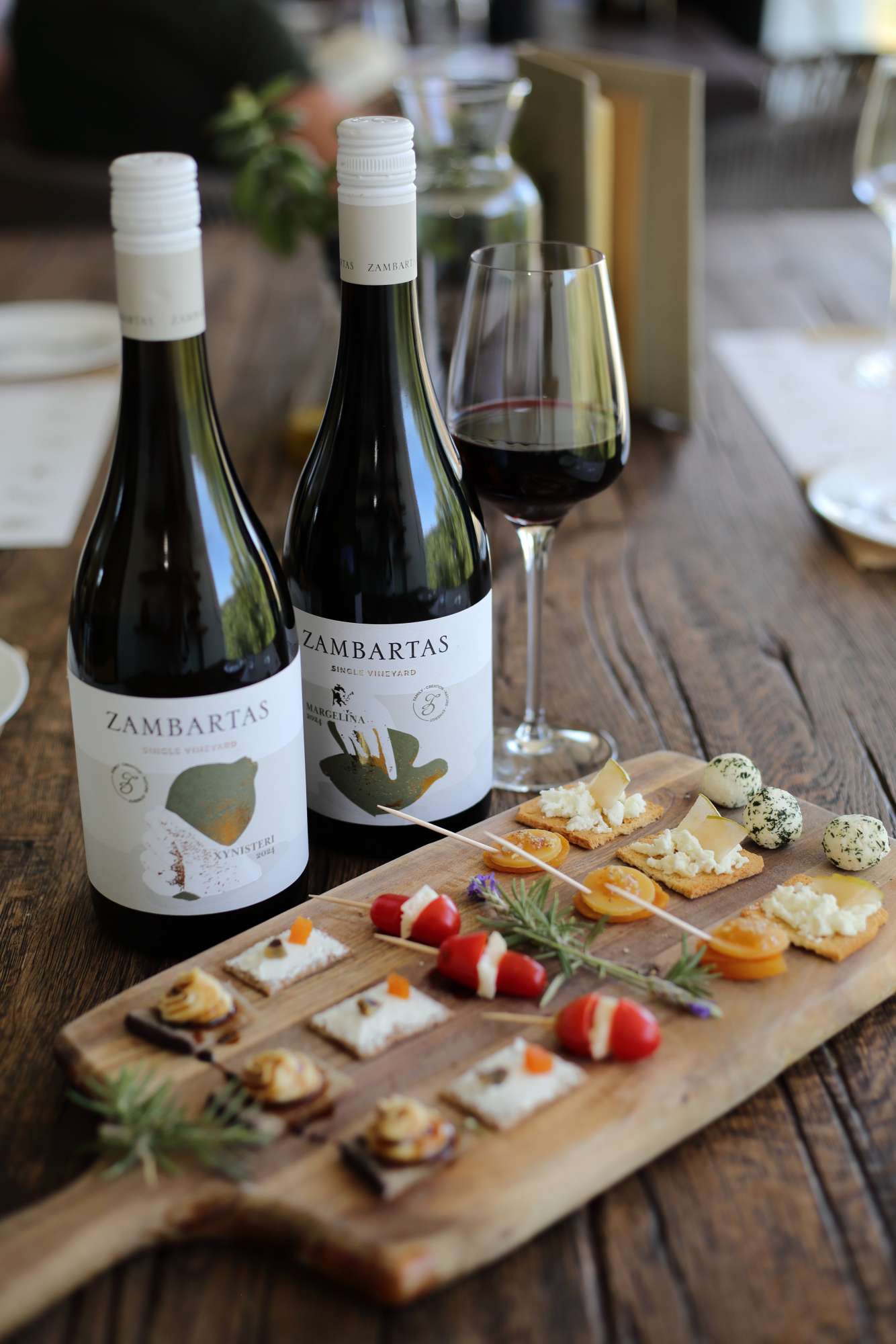
Pronounced ksee-nee-STEH-ree. Cyprus’s most important white grape, and the one most likely to change your mind about what Mediterranean whites can be. Grown at altitude, it produces wines that are dry, crisp, and faintly floral, more mineral than tropical, more sea breeze than sunshine. The name derives from the Greek for “sour” or “acidic,” which tells you something important about its character. A good Xynisteri from the high Troodos has a freshness that belies the hot climate it came from.
Try with: halloumi, grilled fish, lemon-dressed salads
Maratheftiko – Red · Indigenous · Near-Extinct Revival
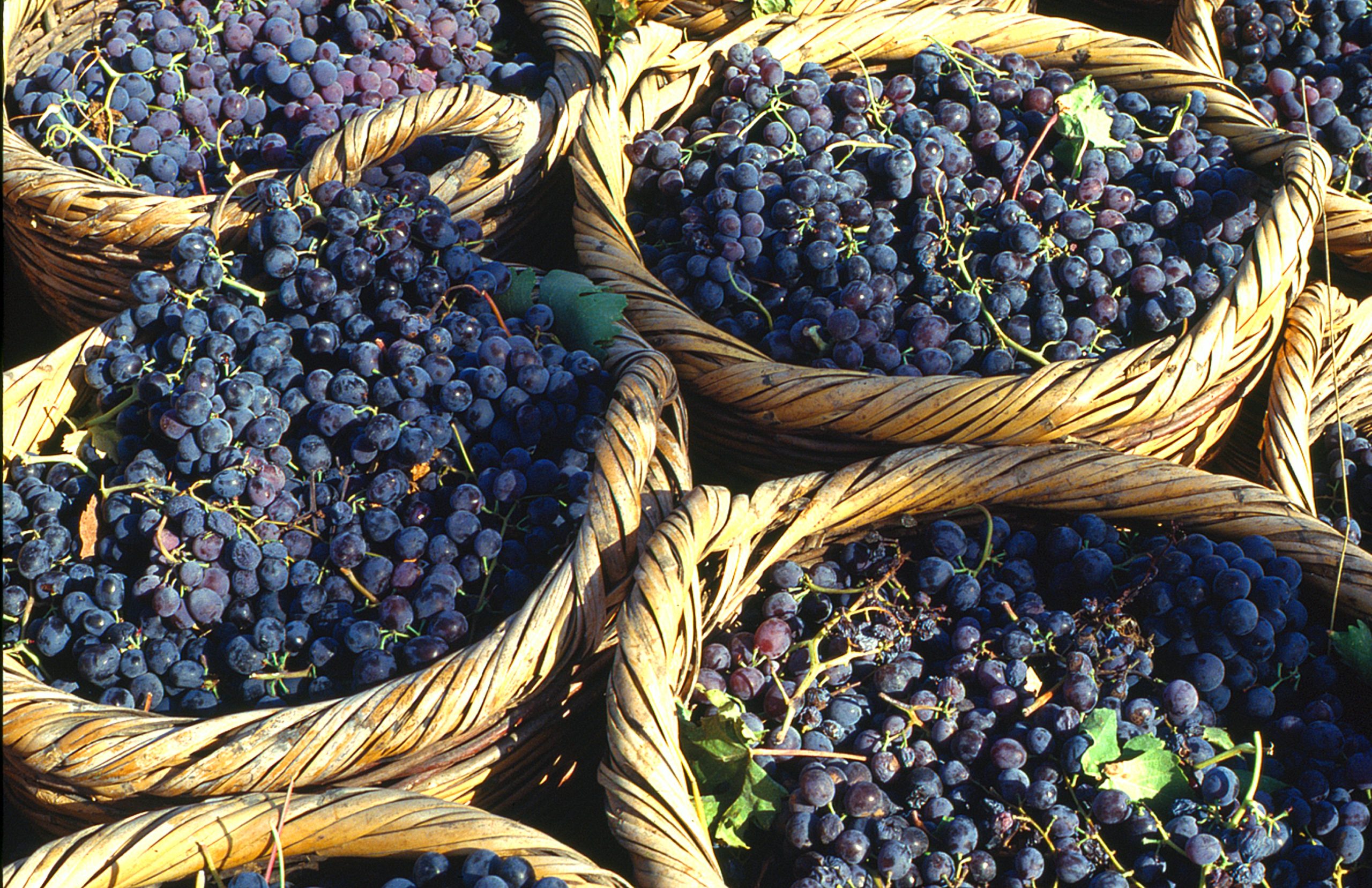
Pronounced mah-rah-thef-TEE-ko. The grape with the most dramatic story in Cypriot wine. By the 1980s, Maratheftiko had nearly disappeared entirely, ripped out during the modernisation of the island’s wine industry. It also has one of the most unusual quirks in viticulture: the variety is sterile, meaning it cannot pollinate itself and must be planted alongside compatible female vines. That complexity is why it was abandoned. It’s also why it was worth saving. The wines it makes are dark, structured, and complex, deep red-black in colour, with firm tannins, wild berry fruit, and an earthy depth that rewards patience.
Try with: kleftiko (slow-roasted lamb), aged hard cheeses
Yiannoudi – Red · Indigenous · Underrated
Pronounced yah-NOO-dee. Often overlooked in favour of its more dramatic sibling Maratheftiko, Yiannoudi makes wines that are gentler, more approachable, and arguably better company on a Tuesday evening. The tannins are softer, the fruit warmer, and the finish has a velvety, spiced quality that makes it highly food-friendly. A growing number of Cypriot winemakers are working with Yiannoudi seriously, and the results are compelling.
Try with: pork souvlaki, lentil dishes, soft cheeses
Mavro – Red · Most Widely Planted
The workhorse of the Cypriot vineyard. Mavro (Greek for “black”) is the most widely grown variety on the island and historically responsible for most of its bulk wine. In the wrong hands, it makes thin, simple, deeply uninteresting red wine. In the right hands, picked at the right time, from the right altitude, it can make honest, food-friendly reds with good colour and a clean, direct fruitiness. It is also one of the two grapes in Commandaria, where its contribution is structure and depth rather than sweetness.
Try with: mezze, grilled meats, everyday Cypriot cooking
Where to Try Cypriot Wine in the UK
This is, honestly, the hardest part of the Cypriot wine story. The wines are good. Some of them are very good. But finding them in the UK requires a degree of determination that most wine buyers shouldn’t need to exercise.
The distribution infrastructure for Cypriot wine in the UK is limited. Unlike French or Italian wine, which moves through deeply established import networks and reaches supermarket shelves with relative ease, most Cypriot wine requires a specialist importer. Your average high street off-licence will not stock it. Your average supermarket wine buyer has not prioritised it. That is slowly changing but slowly is the operative word.
Your best options in the UK are as follows. Independent wine merchants, particularly those with a Mediterranean or Southern European focus are the most likely to have Cypriot bottles in stock. Ask specifically for Commandaria, Xynisteri, or wines from Kyperounda or Vouni Panayia by name. A good merchant who doesn’t stock them will at minimum be able to order them.
Online, a small number of specialist importers now offer Cypriot wines with UK delivery. Searching for “Cypriot wine UK” or “Commandaria wine” will surface the main options. Read the producer notes carefully the importers who understand the wines are the ones worth buying from.
In London, Cypriot community shops, particularly in areas with a significant Cypriot diaspora, such as parts of North, North-East, and South London occasionally stock Commandaria and imported Cypriot table wines. If you’re part of the community, you likely already know where to look.
Frequently Asked Questions
Is Cypriot wine any good?
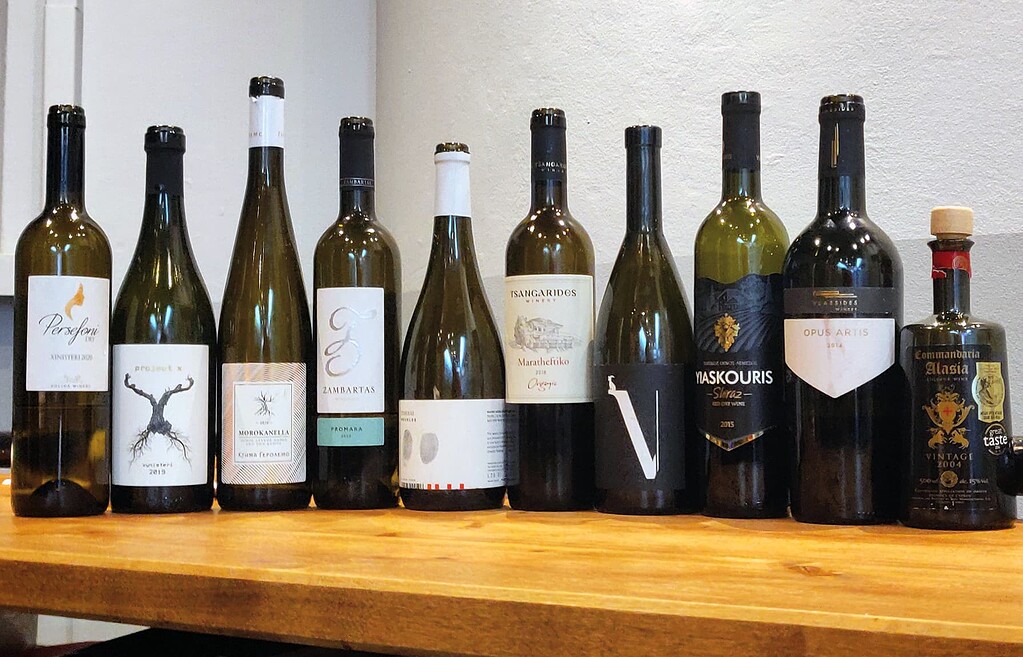
Yes, and the honest answer is that it is better than most people in the UK expect. Modern Cypriot wine has undergone a significant quality revival since the 1990s, led by a generation of winemakers who trained internationally and returned to work with the island’s indigenous varieties. Boutique producers like Kyperounda, Zambartas, and Vouni Panayia are winning awards at international competitions and earning recognition from wine critics who previously hadn’t looked at Cyprus seriously. The best Cypriot wines particularly high-altitude Xynisteri and serious Maratheftiko reds are genuinely distinctive and offer value that their Burgundian or Tuscan equivalents cannot approach at the same price point.
What is the most famous wine from Cyprus?
Commandaria without question. A rich, amber-coloured sweet wine made in fourteen designated villages in the Troodos mountain foothills, Commandaria is widely cited as the world’s oldest named wine still in production. It’s been made in the same geographical area for at least 800 years under its current name, with winemaking traditions on the island that extend back far further. If you try one Cypriot wine before anything else, make it a Commandaria. It is unlike anything you will find in a French or Italian cellar, and it is a direct connection to one of the most remarkable wine traditions on earth.
Is Cypriot wine similar to Greek wine?
They share some broad cultural and historical connections both countries have ancient winemaking traditions, both use indigenous grape varieties, and the Cypriot community has obvious cultural ties to Greece but the wines are genuinely distinct. Cypriot indigenous grapes (Xynisteri, Maratheftiko, Yiannoudi, Mavro) are not the same varieties found in Greece, and DNA studies suggest they have been isolated and evolving independently on the island for a very long time. The terroir of the Troodos mountains, limestone soils, significant altitude, a specific pattern of rainfall and heat, also produces a different flavour profile to most of the Greek wine regions. If you enjoy Greek wine, Cypriot wine is absolutely worth exploring. But approach it as something new rather than a variation on something familiar.
How do I pronounce Xynisteri and Maratheftiko?
Xynisteri: ksee-nee-STEH-ree. The ‘X’ in Greek makes a ‘ks’ sound, and the stress falls on the third syllable. Maratheftiko: mah-rah-thef-TEE-ko. Four syllables, stress on the third. Neither is easy the first time, but both come naturally after a couple of attempts. At CWFexpo, the producers are entirely used to hearing both mispronounced by people who are trying they find it endearing rather than irritating, and they will happily demonstrate the correct pronunciation in exchange for your interest in what they’ve made.
Is Cypriot wine only sweet?
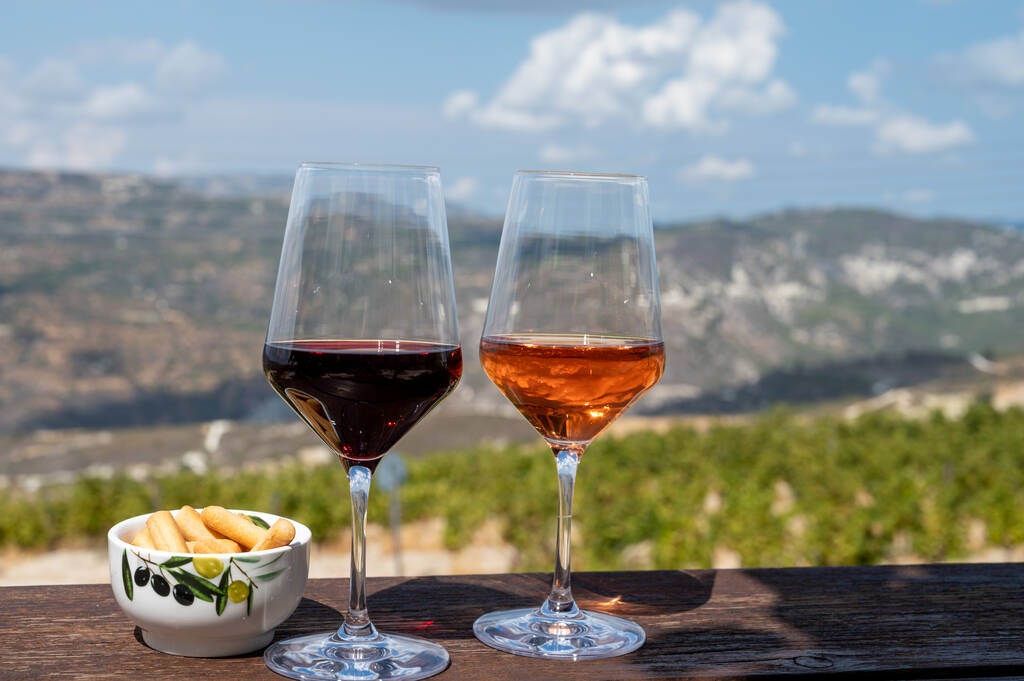
No, and this is one of the most common misconceptions about Cypriot wine, driven largely by the fame of Commandaria. The majority of Cypriot table wine is dry. The dry whites led by Xynisteri are crisp, mineral, and quite unlike the heavy, sweet whites that the island’s reputation might lead you to expect. The reds are dry, structured, and serious. Some rosés are slightly off-dry, but the trend is firmly towards dry, food-friendly styles. Commandaria is the famous sweet exception, and it is a remarkable one, but it represents a relatively small proportion of what Cypriot producers make.
Where can I buy Cypriot wine in London?
Your most reliable options are specialist independent wine merchants (ask specifically for Cypriot producers by name), online importers with a Mediterranean focus, and Cypriot community shops in areas with a significant diaspora population. By far the easiest and most rewarding way to taste and purchase Cypriot wine in London, however, is at CWFexpo which brings 20+ producers together each June at The Decorium in North London. You taste before you buy, and prices reflect direct-from-producer rates rather than retail markup. For a full breakdown of your options, see our guide to where to buy Cypriot wine in the UK.
Continue reading - Cypriot Wine Series